World Health Organization (WHO) Western Pacific (@WHOWPRO) header
World Health Organization (WHO) Western Pacific (@WHOWPRO) profile picture

World Health Organization @WHO in the Western #Pacific Region, ๐Ÿ  to 2.2B in #Asia & #Oceania. See our tweets for health advice. Our Regional Director: @rd_wpro

Manila, Philippines
Joined October 2015
Photo by World Health Organization (WHO) Western Pacific (@WHOWPRO)Photo by World Health Organization (WHO) Western Pacific (@WHOWPRO)Photo by World Health Organization (WHO) Western Pacific (@WHOWPRO)Photo by World Health Organization (WHO) Western Pacific (@WHOWPRO)Photo by World Health Organization (WHO) Western Pacific (@WHOWPRO)Photo by World Health Organization (WHO) Western Pacific (@WHOWPRO)Photo by World Health Organization (WHO) Western Pacific (@WHOWPRO)Photo by World Health Organization (WHO) Western Pacific (@WHOWPRO)Photo by World Health Organization (WHO) Western Pacific (@WHOWPRO)Photo by World Health Organization (WHO) Western Pacific (@WHOWPRO)
One in four girls and women in the Western Pacific experience gender-based violence including intimate partner violence or sexual violence by someone other than their partner. We know gender-based violence is under-reported, so numbers may be higher. Behind every number is a story of harm that can be prevented. Explore country profiles to find out more about gender-based violence data at country level across the Western Pacific Region: data.wpro.who.int/violence-aโ€ฆ @HRPresearch @WHO #EndViolence #EndVAWG #NoExcuse
4
8
617
World Health Organization (WHO) Western Pacific retweeted
In Canberra, I joined the Australian National University @ourANU, to mark an important milestone ANU's National Centre for Epidemiology and Population Health, @ANUPopHealth, is now a @WHO Collaborating Centre for Health Security Workforce Strengthening and Research. This is a partnership with deep roots. Since 1991, ANU has run Australia's field epidemiology training programme. Trainees have served with WHO's Regional Health Emergency Corps. ANU has also supported regional responses through @WHOGOARN. What comes next? 1๏ธโƒฃ Strengthen the region's health emergency workforce. 2๏ธโƒฃ Bring more Australian experts and trainees into the Regional Health Emergency Corps. 3๏ธโƒฃ Keep field epidemiology alumni connected and ready to mobilize. Thank you to @ausgov, including the @dfat Centre for Health Security, for investing in capacity that benefits Australia and the entire Western Pacific.
1
6
258
World Health Organization (WHO) Western Pacific retweeted
In Canberra discussions with senior @ausgov leaders and over 600 @healthgovau Health Department staff highlighted shared priorities. โžก๏ธStronger primary health care โžก๏ธAgeing and innovation โžก๏ธClimate resilience โžก๏ธHealth security โžก๏ธImmunization The Pacific was a recurring focus. Also the importance of strong WHO capacity close to countries and building on Australiaโ€™s longstanding commitment to regional health. Together, weaving health for all across the Western Pacific. Thank you, Australia, for all that you do!
1
3
205
It takes more than a village to #EndLeprosy. It takes vision, partnership and a shared commitment to leave no one behind. WHO welcomes the first WHO Collaborating Centre in for Leprosy Elimination, Training and Research, established at the Institute of Dermatology, Chinese Academy of Medical Sciences. This important milestone is supported by Chinaโ€™s National Health Commission, the National Disease Control and Prevention Administration, the Chinese Academy of Medical Sciences and Peking Union Medical College, China CDC, the Hospital for Skin Diseases (Institute of Dermatology), and the National Center for Leprosy Control. #Leprosy is curable. Early diagnosis and treatment can prevent disability and permanent injury. This is a significant step towards ending leprosy in the Western Pacific Region. The centre in Nanjing will play a significant role in supporting WHO Member States to implement the neglected tropical diseases road map, by helping to address gaps in diagnosis and treatment and supporting the integration of leprosy services into primary health care.
2
9
658
World Health Organization (WHO) Western Pacific retweeted
๐Ÿ‘ The World Health Organization in Viet Nam congratulates the National Assembly on adopting important revisions to the country's tobacco control law. These new measures will help protect people's health, especially for children and young people, now and in the future! The revised law: โœ… Comprehensively bans emerging tobacco and nicotine products, and their components, including nicotine pouches and shisha. โœ… Stops tobacco products from being displayed in shops and online, reducing their appeal, especially for young people. โœ… Strengthens smoke-free protections, including making universities and educational institutions completely smoke-free. These changes will help reduce exposure to tobacco and second-hand smoke, helping more people enjoy their right to breathe clean air where they learn, work and live. WHO is proud to support Viet Nam's efforts to build a healthier future for everyone. Read more here: who.int/vietnam/news/detail/โ€ฆ Photo credit: Bรกo Lai Chรขu ฤ‘iแป‡n tแปญ
2
6
206
Childrenโ€™s health needs do not fit into just one programme. School Health Week brings different areas of health together โ€“ from nutrition, oral and skin health to immunization, noncommunicable disease prevention, violence prevention and more โ€“ around the needs of students.
2
4
16
732
World Health Organization (WHO) Western Pacific retweeted
We should be able to trust that our food is safe and our water clean. But foodborne disease can spread fast, often before its source is known. Thatโ€™s why I was proud to launch a new WHO Collaborating Centre at the @TheDohertyInst. Its mission: help countries detect threats earlier and respond faster by strengthening food and water surveillance, genomics, laboratories and workforce capacity. The focus is on building lasting capability locally, not doing the work for countries. This is already underway in the Pacific. Genomics can trace outbreaks to their source, connect cases across borders and help stop disease spreading. Stronger capacity at home means safer food, cleaner water and healthier communities. Congratulations to the team. WHO looks forward to deeper partnership and impact.
2
3
258
World Health Organization (WHO) Western Pacific retweeted
๐Ÿ“ข Registration is now open! This World AIDS Day, join us for โ€œTurning the Corner on HIV: Communities, Innovation, and Regional Solidarity,โ€ a regional online dialogue. #DOH #BagongPilipinas #MabilisPatasMapagkakatiwalaan #TsekYan #PrEPtektado #UEqualsU #WorldAIDSDay2026
1
2
1
1,305
The latest findings show gender-based violence remains a persistent โ€“ but preventable โ€“ crisis across the Western Pacific Region. Violence harms girls and womenโ€™s health, limits opportunities, and violates fundamental rights. We must change the inequalities, norms and structures that allow it to persist. @HRPresearch #16Days #EndVAWG #NoExcuse #EndViolence
Gender-based violence is everywhere across the Western Pacific. In homes, in communities, and online. It is also preventable. Violence harms the health of women and girls. It takes away their opportunities. And violates their basic rights. That doesn't happen by chance. Inequality, harmful norms and broken systems keep it going. So that's what we have to change!
1
12
765
World Health Organization (WHO) Western Pacific retweeted
This month, Viet Nam joined global leaders in Manila at the Second Global Ministerial Conference on Ending Violence Against Children, contributing to a shared effort to help every child grow up safe, healthy and free from violence. The conference focused on practical ways to prevent violence against children at home, in schools, in communities and online. This comes as the world prepares for the 16 Days of Activism Against Gender-Based Violence (25 November-10 December). Violence against children and violence against women are closely linked. Ending violence starts with creating safe and supportive families, schools and communities. Every child deserves a safe childhood. Every woman and girl deserves a life free from violence. By working together, we can build safer, healthier communities for everyone. ๐Ÿงก Managed by the Vietnam Women's Union, the Peace House provides a safe shelter for women and children violence. Call the hotline 1900969680 if you need support! You can also find additional support hotlines for specific locations in the comment section below. Photo credit: AMCA ๐Ÿ‘‡
1
2
7
302
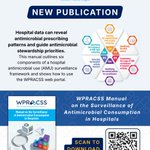
๐๐ž๐ฐ ๐ฉ๐ฎ๐›๐ฅ๐ข๐œ๐š๐ญ๐ข๐จ๐ง๐ฌ ๐จ๐ง ๐š๐ง๐ญ๐ข๐ฆ๐ข๐œ๐ซ๐จ๐›๐ข๐š๐ฅ ๐ฎ๐ฌ๐ž ๐ฌ๐ฎ๐ซ๐ฏ๐ž๐ข๐ฅ๐ฅ๐š๐ง๐œ๐ž ๐Ÿ’Š WHO Western Pacific has released two manuals for the Western Pacific Regional Antimicrobial Consumption Surveillance System (WPRACSS) to support antimicrobial use (AMU) surveillance in the Region. AMU was formerly referred to as antimicrobial consumption (AMC) surveillance. Overuse and misuse of antimicrobials are among the leading causes of antimicrobial resistance (AMR). Measuring and analyzing AMU are essential to inform stewardship strategies and optimize antimicrobial use. These manuals serve as guides for countries and areas in establishing and strengthening national โ€“ and hospital-level AMU surveillance systems through harmonized methodologies and the use ofโ€ฏthe WPRACSS web portal. Scan the QR codes or download the WPRACSS manual for national-level AMU surveillance here: itl.ink/WPRACSS-Manual-Natioโ€ฆ
2
4
1
13
595
Download the WPRACSS manual for hospital-level AMU surveillance: itl.ink/WPRACSS-Manual-Hospiโ€ฆโ€ฏ www.teapawt.net/WHOWPRO/status/2125482โ€ฆ
๐๐ž๐ฐ ๐ฉ๐ฎ๐›๐ฅ๐ข๐œ๐š๐ญ๐ข๐จ๐ง๐ฌ ๐จ๐ง ๐š๐ง๐ญ๐ข๐ฆ๐ข๐œ๐ซ๐จ๐›๐ข๐š๐ฅ ๐ฎ๐ฌ๐ž ๐ฌ๐ฎ๐ซ๐ฏ๐ž๐ข๐ฅ๐ฅ๐š๐ง๐œ๐ž ๐Ÿ’Š WHO Western Pacific has released two manuals for the Western Pacific Regional Antimicrobial Consumption Surveillance System (WPRACSS) to support antimicrobial use (AMU) surveillance in the Region. AMU was formerly referred to as antimicrobial consumption (AMC) surveillance. Overuse and misuse of antimicrobials are among the leading causes of antimicrobial resistance (AMR). Measuring and analyzing AMU are essential to inform stewardship strategies and optimize antimicrobial use. These manuals serve as guides for countries and areas in establishing and strengthening national โ€“ and hospital-level AMU surveillance systems through harmonized methodologies and the use ofโ€ฏthe WPRACSS web portal. Scan the QR codes or download the WPRACSS manual for national-level AMU surveillance here: itl.ink/WPRACSS-Manual-Natioโ€ฆ
1
2
149
๐๐ž๐ฐ ๐ฉ๐ฎ๐›๐ฅ๐ข๐œ๐š๐ญ๐ข๐จ๐ง๐ฌ ๐จ๐ง ๐š๐ง๐ญ๐ข๐ฆ๐ข๐œ๐ซ๐จ๐›๐ข๐š๐ฅ ๐ฎ๐ฌ๐ž ๐ฌ๐ฎ๐ซ๐ฏ๐ž๐ข๐ฅ๐ฅ๐š๐ง๐œ๐ž ๐Ÿ’Š WHO Western Pacific has released two manuals for the Western Pacific Regional Antimicrobial Consumption Surveillance System (WPRACSS) to support antimicrobial use (AMU) surveillance in the Region. AMU was formerly referred to as antimicrobial consumption (AMC) surveillance. Overuse and misuse of antimicrobials are among the leading causes of antimicrobial resistance (AMR). Measuring and analyzing AMU are essential to inform stewardship strategies and optimize antimicrobial use. These manuals serve as guides for countries and areas in establishing and strengthening national โ€“ and hospital-level AMU surveillance systems through harmonized methodologies and the use ofโ€ฏthe WPRACSS web portal. Scan the QR codes or download the WPRACSS manual for national-level AMU surveillance here: itl.ink/WPRACSS-Manual-Natioโ€ฆ
2
123
World Health Organization (WHO) Western Pacific retweeted
๐Ÿ“ข #๐—”๐—ฃ๐—ข ๐—”๐—ง #๐—›๐—ฆ๐—ฅ๐Ÿฎ๐Ÿฌ๐Ÿฎ๐Ÿฒ | Launching a new training programme on health system assessment At Health Systems Global's (@H_S_Global) ๐Ÿต๐˜๐—ต ๐—š๐—น๐—ผ๐—ฏ๐—ฎ๐—น ๐—ฆ๐˜†๐—บ๐—ฝ๐—ผ๐˜€๐—ถ๐˜‚๐—บ ๐—ผ๐—ป ๐—›๐—ฒ๐—ฎ๐—น๐˜๐—ต ๐—ฆ๐˜†๐˜€๐˜๐—ฒ๐—บ๐˜€ ๐—ฅ๐—ฒ๐˜€๐—ฒ๐—ฎ๐—ฟ๐—ฐ๐—ต in Cairo, Egypt, the Asia Pacific Observatory on Health Systems and Policies (@AP_Observatory), together with the National University of Singapore (@NUSingapore) Saw Swee Hock School Of Public Health (#NUSSSHSPH), will launch a freely available and adaptable training programme on health system assessment and evidence use in policymaking. ๐Ÿค ๐—๐—ผ๐—ถ๐—ป ๐˜‚๐˜€ ๐—ถ๐—ป ๐—–๐—ฎ๐—ถ๐—ฟ๐—ผ! ๐Ÿ“… 7 December 2026 (Monday) ๐Ÿ•˜ 09:15โ€“10:45 AM ๐Ÿ“ SSE CP19 ๐Ÿ”น Session code: ๐—–๐—ฆ-๐—ข๐—ง๐—›-๐Ÿฌ๐Ÿญ ๐Ÿ” ๐—•๐˜‚๐—ถ๐—น๐—ฑ๐—ถ๐—ป๐—ด ๐—ผ๐—ป #๐—”๐—ฃ๐—ขโ€™๐˜€ ๐—ณ๐—น๐—ฎ๐—ด๐˜€๐—ต๐—ถ๐—ฝ ๐—›๐—ถ๐—ง ๐—ฟ๐—ฒ๐˜ƒ๐—ถ๐—ฒ๐˜„๐˜€ With 24 Health Systems in Transition (#HiT) reviews covering 21 countries across Asia Pacific, APOโ€™s flagship publications rank among the most downloaded across WHOโ€™s Western Pacific and South-East Asia regions. Drawing on the HiT methodology and APOโ€™s updated template for authors, the programme is designed for use and adaptation by countries and institutions, advancing a longstanding priority of APO: strengthening national and institutional capacity to assess health systems and generate policy-responsive research. Through an interactive ๐—›๐—ถ๐—ง๐˜€ ๐——๐—ถ๐—ฎ๐—ด๐—ป๐—ผ๐˜€๐˜๐—ถ๐—ฐ ๐—–๐—ต๐—ฎ๐—น๐—น๐—ฒ๐—ป๐—ด๐—ฒ complemented by a panel of experts, participants will: ๐Ÿ’ก Analyse health system scenarios and identify evidence gaps ๐Ÿ’ก Identify indicators for monitoring system performance and resilience ๐Ÿ’ก Draw on country experiences to translate evidence into policy action ๐Ÿ’ก Help shape the priorities of the upcoming training series We invite policymakers, researchers and health systems practitioners attending #HSR2026 to be part of this initiative. #HPSR #HealthPolicy #HealthSystems #HealthResearch #EvidenceInformedPolicy
2
2
4
459
World Health Organization (WHO) Western Pacific retweeted
The failure of #COP31 to deliver an agreement that protects people's lives and health is a grave setback. It leaves vulnerable communities exposed to the growing health impacts of climate change and misses the opportunity to scale up proven actions that could save over 1.5 million lives a year. The inability of the international community to agree on how to advance the transition away from fossil fuels is another missed opportunity to save millions of lives from air pollution. We urged leaders to negotiate as though lives depended on it. Because they do. @WHO will continue working with scientists, health professionals and civil society to push for the climate action people's health depends on.
160
96
18
202
25,919
Behind every antibiotic prescription is a decision, and hospitals can make that decision easier to get right. In the Philippines, Dr Jemelyn Garcia has helped strengthen hospital antibiotic prescribing policies, antimicrobial use surveillance, and training for health care professionals. These initiatives give teams a shared way to decide when an antibiotic is needed and which one to use. Her #OneAction to prevent #AMR: Give hospital teams clear rules for prescribing antibiotics, and the training to follow them. ๐Ÿ‘‰ itl.ink/OneHealth-AMR-WAAW20โ€ฆ #AntimicrobialResistance #AMRStewards
1
12
24
1,065
Today in Canberra, @WHO and The Australian National University @ourANU launched the new WHO Collaborating Centre for Health Security Workforce Strengthening and Research, based at ANU's National Centre for Epidemiology and Population Health (NCEPH) @ANUPopHealth. For more than 30 years, NCEPH has trained field epidemiologists who turn numbers into action during outbreaks and emergencies. More than 300 graduates of its Applied Epidemiology programme now work as senior public health officials in Australia and around the world, and 14 trainees have contributed directly to WHO's Regional Health Emergency Corps Initiative. The Centre will work with WHO to: โœ… Train the next generation of field epidemiologists. โœ… Generate evidence on how outbreak response teams are deployed and how they perform. โœ… Strengthen health emergency capacity across the Western Pacific. "These partnerships are an expression of solidarity," said @RD_WPRO Dr Saia Ma'u Piukala, WHO Regional Director for the Western Pacific. "I am immensely grateful for Australia's leadership in shared responsibility that benefits us all." A stronger workforce means a region ready to mobilize when the next health emergency occurs. Learn more ๐Ÿ‘‰ who.int/westernpacific/news/โ€ฆ ๐Ÿ“ท ANU / Dr Ruonan Chen
2
5
1
25
1,783
The protection of mothers and infants is the foundation of a healthy society. In island health systems, where a birth could happen in a remote area, health workers need to be prepared by practicing safe deliveries. The use of simulation laboratories is evidence-based and provides the hands-on experience that builds confidence in basic health care. South-South collaborations enable learning within similar contexts. Learn more from our feature story on the Philippine-Pacific Health Initiative ๐Ÿ‘‰ who.int/westernpacific/newsrโ€ฆ
7
19
826
Climate change is already a health emergency in Pacific island countries and areas, despite them collectively accounting for less than 0.03% of global emissions. In this opinion piece for the World Economic Forum @wef, @RD_WPRO Dr Saia Ma'u Piukala and Beate Trankmann, @UNDPasiapac Deputy Regional Director, remind the world that it must support Pacific leadership with accessible financing that reaches the communities most affected by the health impacts of climate change. Read our joint commentary ๐Ÿ‘‰ bit.ly/4kFOV79 #ClimateAction
10
9
1
38
2,356